

On the surface of any discussion about solar generation reins the awkward interchangeable use of the terms Power and Energy. More often than not, Solar Muggles (that’s how solar-experts refer to non-solar experts….and yes all of us experts have a worldwide whatsapp group that we use to judge regular people!) mix up the use of these 2 terms, even though in reality and in all practicality they are 2 completely different dimensions. And in some instances the words voltage and current get thrown onto the table for avid discussion. And if the word Capacity is ever used by anyone involved in that discussion, it automatically grants it an Oxford-level status! NO! I AM SO ANGRY RIGHT NOW!!!! I AM GONA TAKE DOWN THIS WEBSITE I CAN’T TAKE IT ANYMO–
Power describes the rate of electricity (Current) flow within a given field of potential (Voltage).
Anyway, I just woke up and it seems I was too angry yesterday and stopped typing. Doing much better this morning so I’ll keep on writing.
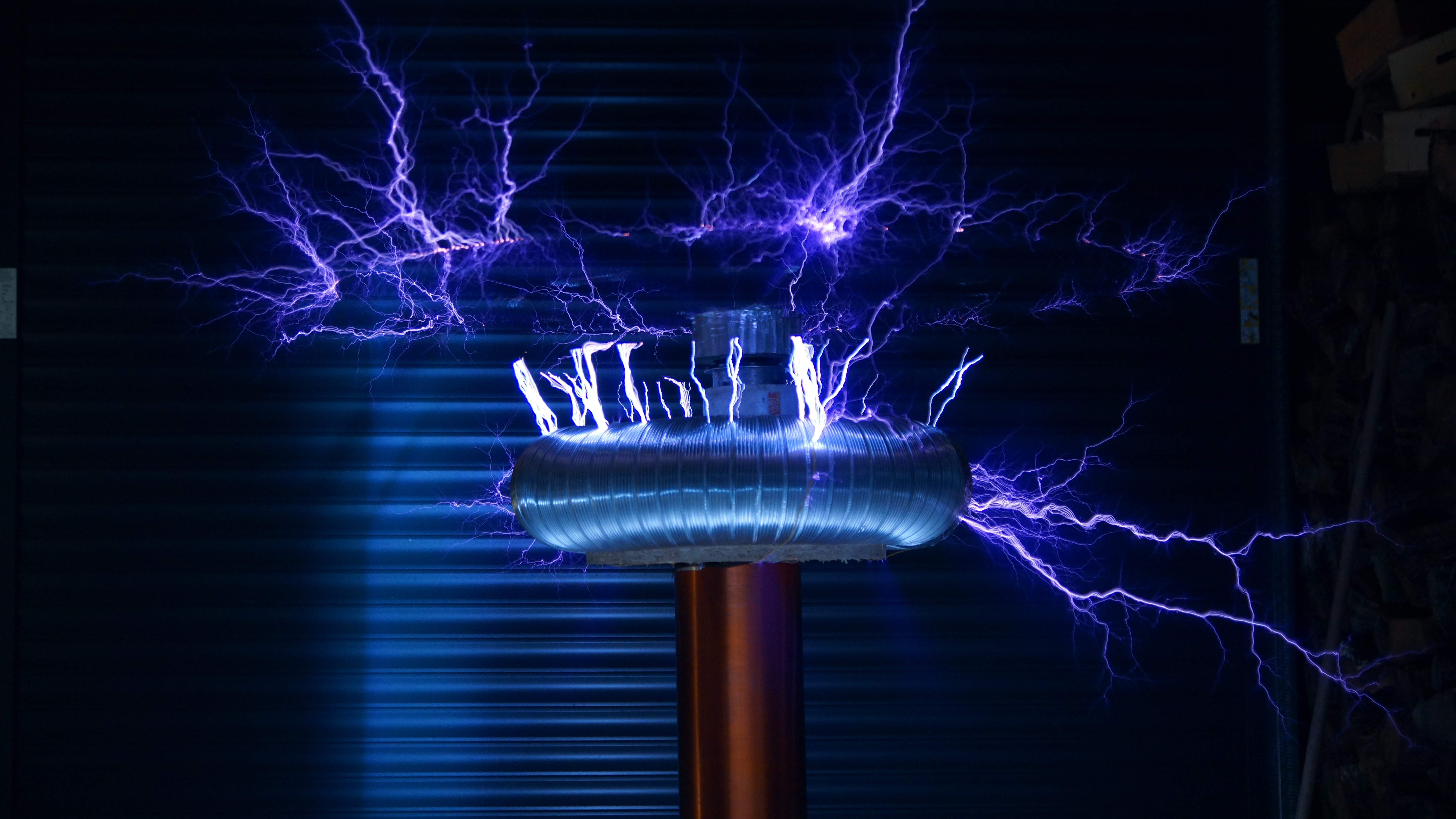
Simply put, Power describes the rate of electricity (Current) flow within a given field of potential (Voltage). One can also think about it as the work done by the electricity (Current) moving inside a field of potential (Voltage). Current describes the electricity, and when a person is electrocuted for example it is the current that does the damage to the tissues and heart and skin. Current is also the dimension that powers our appliances, not Voltage. Voltage is the tunnel through which current flows. That is why the plugs of all of our home appliances have a minimum of 2 poles (one hot and the other neutral). There is a difference of potential between the 2 poles, called Voltage, which allows the current to flow from hot to neutral. The unit of Current is Amps, and that of Voltage is Volts.
Current is the electricity and voltage is the means that allows electricity to flow.
So in summary, current is the electricity and voltage is the means that allows electricity to flow. If in a given circuit the voltage is zero, no current can flow. Which one is more important/dangerous? Well one cannot say which one is more important, although without voltage there can be no current as I’ve mentioned before. However, voltage is usually the culprit when an electrical device stops working. Too much voltage fluctuations can burn down any appliance. That is also why electric fences come with voltage warning signs and not current warning signs (for example BE CAREFUL, 10,000 VOLTS ELECTROCUTED WIRES! ….. Yes I was watching the first Jurassic Park just yesterday I CAN DO WHATEVER I WANT I CAN’T TAKE THIS ANYMO—)
I am sorry again, it is a new third day and I am almost done typing this post.
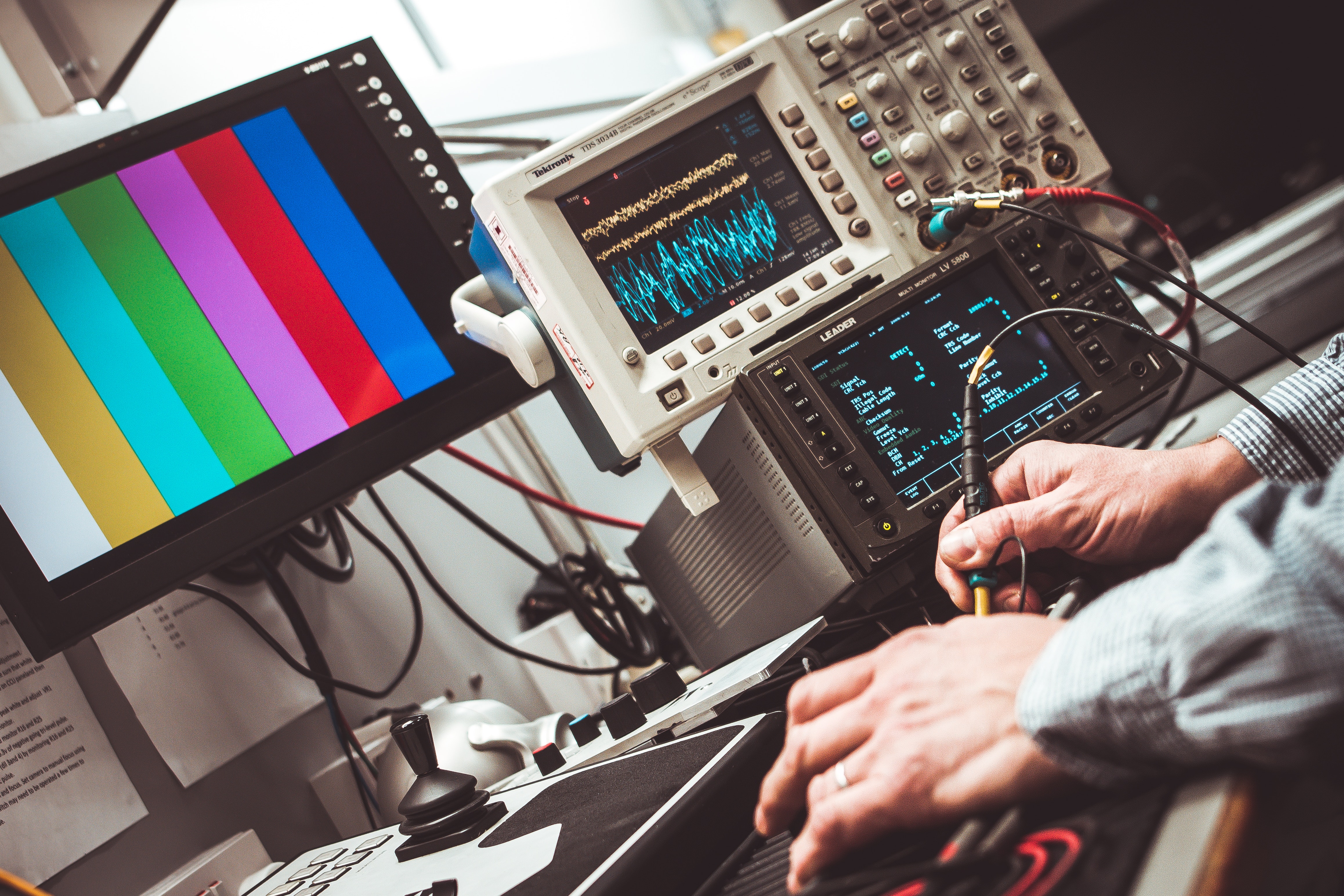
Power is the rate of movement of electricity (current) inside of field of potential (voltage). It is measured in Watts. Energy on the other hand, describes the total amount of electricity that moved within a field of potential during a specific period of time. It is measured in Joules (or Watt-hours), and is the product of Power and time. A laptop’s 220 W power rating means it requires 1 Amps (current) under 220 Volts (voltage) every 1 second to operate. 220 W is the power the laptop needs to function nominally. How much energy does it consume? We have to define a period. In 1 hour, it consumes 220 Watt-hours (792,000 Joules). In 6 hours, it consumes 1,320 Watt-hours (4,752,000 Joules). In 1 day (24 hours), it consumes 5,280 Watt-hours (1,9008,000 Joules). Energy is the quantity. Power is the rate of flow of that quantity. A good analogy is water being pumped from point A to point B. Water is equivalent to electricity (current), the pressure difference created by the pump between A and B is equivalent to the potential difference (voltage). Pressure drives water just as voltage drives current. Power would be the electrical equivalent of the water flow rate, and energy would be the electrical equivalent of how much water was moved in 30mins/1hour/6hours/24hours/etc.
Power is the rate of movement of electricity (current) inside a field of potential (voltage). It is measured in Watts. Energy on the other hand, describes the total amount of electricity that moved within a field of potential during a specific period of time. It is measured in Joules (or Watt-hours)
How is this important to anyone planning a solar photovoltaic installation? PV modules are rated in Watts, which describes at what rate they would be generating under certain atmospheric conditions of sunshine and temperature. For example, if your entire home requires 5,000 Watts of power to operate and you install 5,000 Watts worth of PV modules, would that take care of your entire needs? No. The PV modules will generate their rated capacity almost only during the peak hours of the day, around noon. Before and after they will generate at a lower rate because there will be less ideal conditions of sunshine. If you are concerned with covering a certain percentage of your electricity needs, it is crucially important to know how much energy your equipment consume over the year (multiply their power by 365 days x 24 hours), and how much energy your PV installation would produce. There are simulation tools that can help you do this, or you can just ask an expert….ask me….yeah why not ask me I can help you….all you need to do is SHOW ME THE MONE– I am kidding (here’s a great software that can help you do that on your own: SAM).
If you are concerned with covering a certain percentage of your electricity needs, it is crucially important to know how much energy your equipment consume over the year, and how much energy your PV installation would produce.

Well that went well….I guess. Not feeling so Mugglish after all eh? You are welcome. What is that? You want to meet to discuss your sudden urges to invest in a PV system for your home? Your company? BAAM you have come to the right place. Hit me up on my contact info and we can discuss that over a cup of coffee. I am buying!
Now I can go back to watching the rest of the Jurassic Park movies. Wait….why is the raptor SAYING “Allen”!!!!
 The Watt Studio
Leave a comment