
Services
Discover a comprehensive range of innovative renewable energy solutions designed to meet project requirements with efficiency, reliability, and sustainability as our guiding principles.

Basic Engineering for Development
- Initial site evaluation to determine solar potential and suitability for development.
- Evaluation of land availability and terrain for solar installation.
- Conceptual design development based on site assessment findings.
- Preliminary layout planning for solar panel placement and orientation.
- Selection of basic system components and configurations.
- Initial estimation of project scope, timeline, and budget requirements.
- Utilization of advanced software for accurate energy yield projections.
- Sizing of solar PV system components for optimal performance.
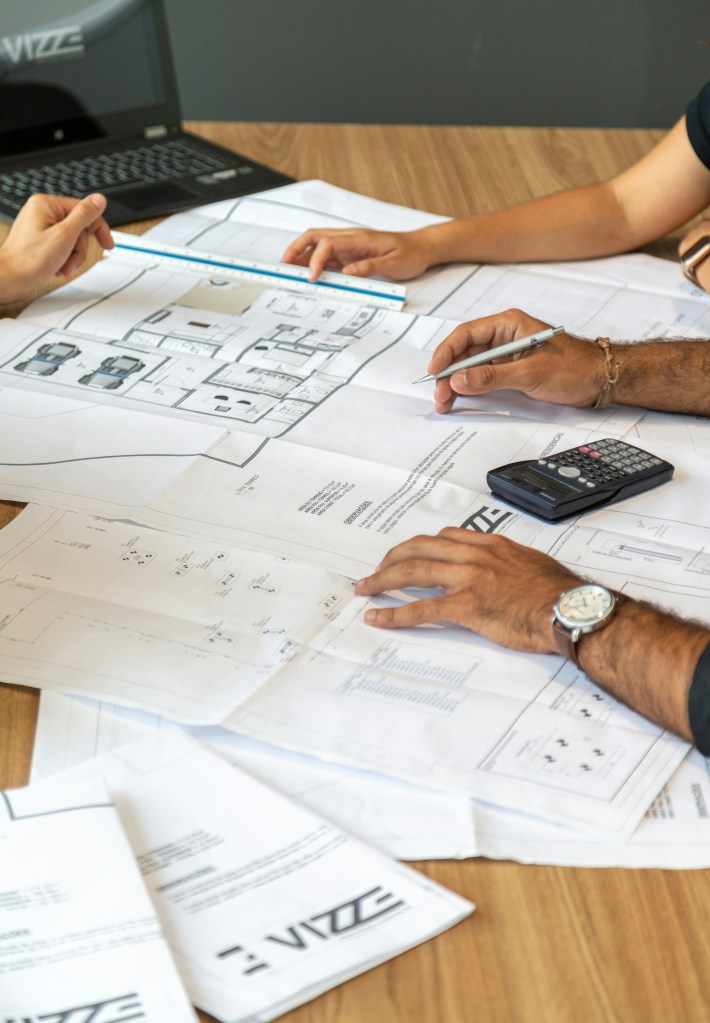
Detailed Engineering
- Detailed design based on preliminary engineering.
- Optimization of system layout for maximum energy efficiency.
- Comprehensive electrical design to ensure efficient system sizing and integration.
- Selection and specification of components meeting project requirements.
- Managing cut and fill operations to optimize terrain grading and leveling.
- Strategic planning of piling locations for optimal structural support and stability.
- Development of a comprehensive bill of quantities for procurement.
- Ensuring designs adhere to local and international codes and regulations.

Procurement Management for Main Equipment
- Comprehensive market research to identify reputable suppliers of main equipment.
- Evaluation of supplier capabilities, their manufacturing capacity and product quality.
- Solicitation of bids and proposals from potential suppliers to assess offerings.
- Recommendation of suppliers based on quality, cost-effectiveness, and reliability.
- Securing competitive deals through effective negotiation strategies.
- Negotiation of favorable pricing and terms with selected equipment suppliers.
- Support with reviewing purchase contracts to formalize agreements with suppliers.
- Negotiation of favorable payment and delivery terms.

BOS Equipment Purchase Review
- Thorough review of technical specifications for BOS equipment.
- Verification of equipment performance parameters.
- Evaluation of equipment compatibility with the overall solar PV system design.
- Validation of manufacturer documentation to confirm adherence to standards.
- Confirmation of equipment certifications and compliance with relevant standards.
- Assessment of warranty terms and conditions.
- Assessment of recommended maintenance and quality control measures by supplier.
- Identification of any discrepancies or deviations from project specifications.
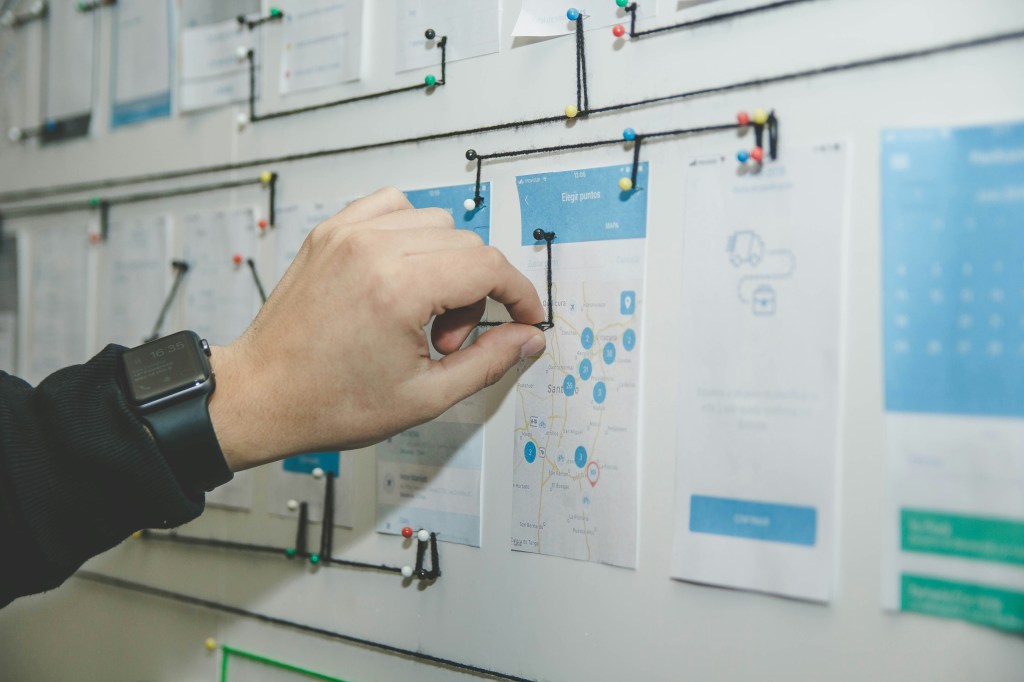
Engineering Design Optimization
- Comprehensive analysis of engineering to identify areas for improvement.
- Evaluation of design elements modifications to enhance performance and efficiency.
- Identification of redundancies to optimize resource usage and reduce costs.
- Proposal of innovative solutions along industry best practices to achieve better outcomes.
- Examination of project budgets to identify opportunities for effective cost reduction.
- Analysis of procurement processes to propose ways to minimize expenses on materials.
- Recommendation of engineering solutions that lead to cost savings.
- Review of project timelines and schedules to identify bottlenecks and delays, suggesting solutions to expedite completion.

Quality Assurance / Quality Control Plan
- Comprehensive assessment of project requirements to determine QA/QC needs.
- Identification of key project stakeholders and their roles in the QA/QC process.
- Definition of scope, including EPC activities and deliverables of to QA/QC monitoring.
- Development of a customized QA/QC plan tailored to the requirements of the project.
- Specification of QA/QC procedures and protocols to be followed throughout EPC.
- Definition of QA/QC standards, criteria, and performance metrics.
- Preparation of comprehensive QA/QC documentation, including checklists, forms, and templates for implementation.
- Provision of training sessions to educate project stakeholders on the QA/QC plan.
 The Watt Studio